Fundación Retajila
Has produced nine debut albums for emerging Dominican artists, opening doors that he himself once had to build.
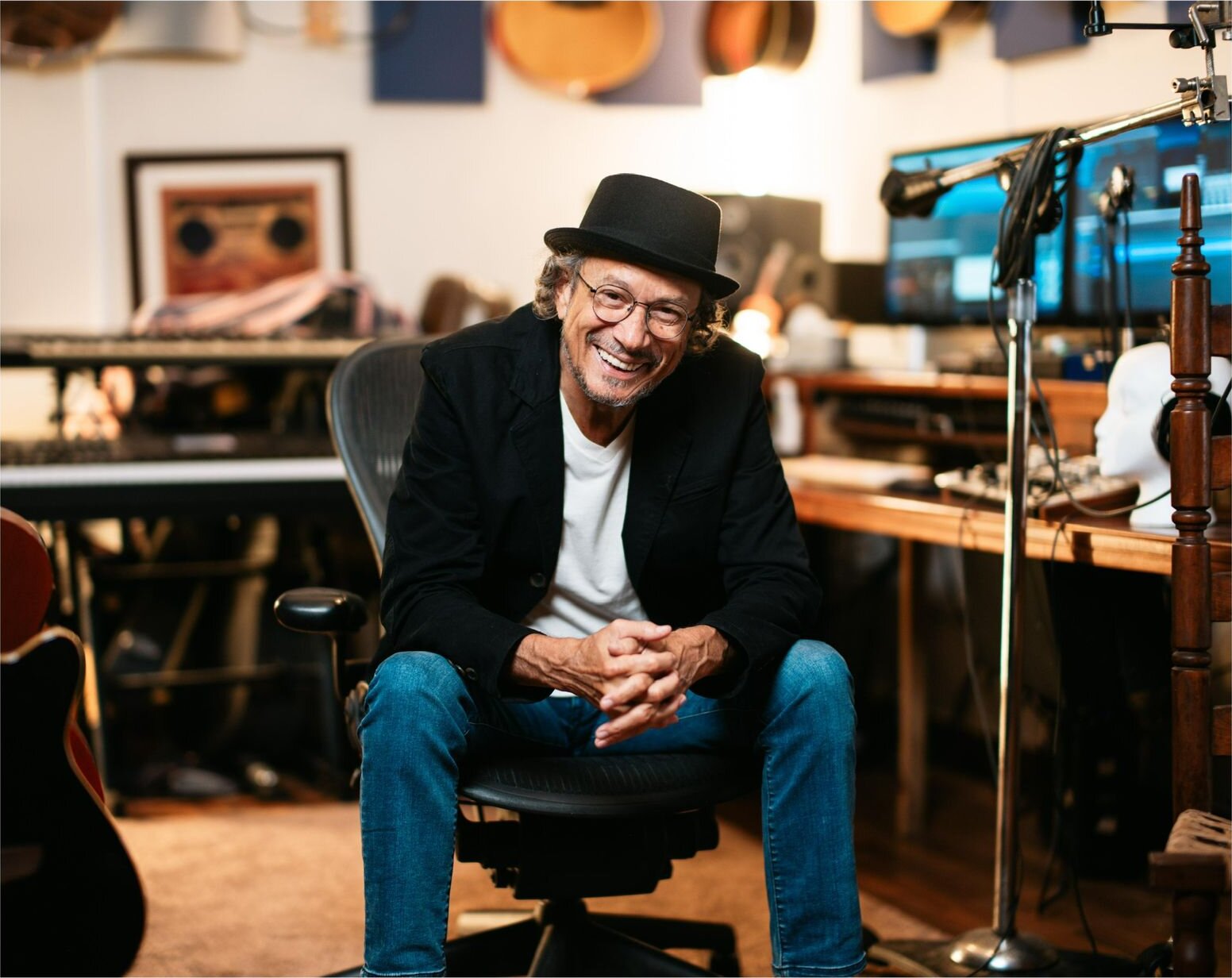
Soberano al Mérito 2026
Dominican Singer-Songwriter
«Valió la Pena»
There are names that ask for no monument, only memory. Constanza, Maimón and Estero Hondo are not merely places on a map of 1959, no more than the men and women of the 14 de Junio and the guerra de Abril are: they are the image of something given without any guarantee of return. Men and women who imagined, as the song says, «donde estás hoy, no estés» — who accepted that their honey should turn to gall, so that others, afterward, might taste what is sweet.
This song does not sing to victory; it sings to the cost. «Salir al sol con el dolor y la piel de cera» is an image of bodies that already knew sacrifice before taking the first step. This is not the heroism of statues, but the heroism of flesh scorched by the sun and by history.
And it reminds us that they, women and men alike, carried within them a vision for their country: «echarse a cuestas el hogar para ser piedra y no cristal.» Whoever chooses to be stone knows they will take the blows and not shatter, knows their purpose is not to shine but to hold fast. That is what those who fell in June and in April did: they shouldered the whole house, the homeland upon their backs, knowing that glass is admired but stone is what builds.
The song does not linger in lament. It seeks to stir the conscience: «mírelos bien, no son uno más, no dejemos que mueran.» Therein lies the true danger — not the bodily death of 1959 or 1965, but the second forgetting, the silence that turns them into one more date on the calendar. This is why the song's ending strives to be a charge and not merely an emotion: to be horizon and not place, to be seed and not rosebush — that is, not to settle for being a site visited once a year, but a direction toward which a people keeps walking.
«Valió la Pena» is no comfortable conclusion. It is an affirmation that can only be spoken softly, with reverence, knowing that the answer was given by them with their lives, and that all we are left with is the duty not to squander it through forgetting.
— José Antonio
Imagina que Donde estás hoy, no estés. Que en lugar de miel Sientas sabor de hiel.
Imagínate Sin canción y el temor De no poder hablar Aunque tengas razón.
Imagínate No poder conjugar Versos que al final Rimen con libertad.
No poder contar De «hubo una vez que el mal» Creyó quitar las alas Y les enseñó a volar.
Valió la pena. Valió la pena. Salir al sol con el dolor Y la piel de cera.
Valió la pena. Valió la pena. Echarse a cuestas el hogar Para ser piedra y no cristal. Valió la pena.
Imagínate Sin nadie a quien dar gracias hoy. No querer mirar atrás Por miedo al qué dirán.
Imagínate No poder aplaudir Los hombres y mujeres De junio y abril.
Valió la pena. Valió la pena. Salir al sol con el dolor Y la piel de cera.
Valió la pena. Valió la pena.
Lyrics and music: José Antonio Rodríguez
Record · 2026
On March 18, 2026, José Antonio Rodríguez received the Soberano al Mérito at the 41st edition of the Premios Soberano, honoring four decades of work as a composer, performer, and champion of Dominican culture. In his acceptance speech, he turned the moment into a call for peace.
While we celebrate art, the world remains wounded by war. No victory is worth more than a single life. We must keep creating to unite, to heal. Peace is what truly makes us great.
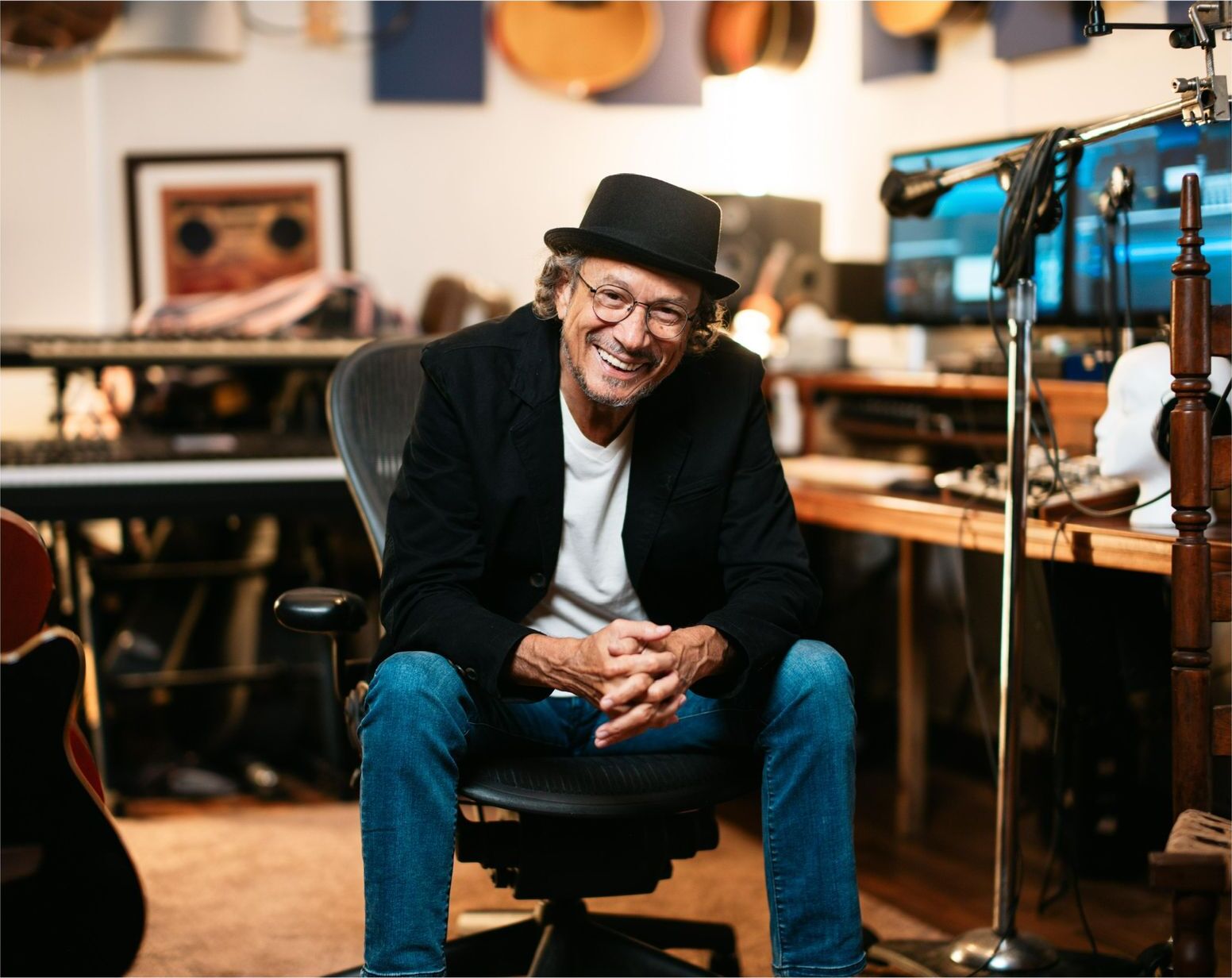
José Antonio Rodríguez · La Romana, 1954
Profile
Born on July 20, 1954 in La Romana, Dominican Republic, José Antonio Rodríguez grew up in the embrace of poetry and music. His grandmother Virginia Rodríguez, a published poet, taught him rhyme, meter, and verse. At the age of eight, when she suffered a stroke, he became her scribe — copying her compositions day after day. On those pages, his lyrical sensibility was born.
His father Juan Rodríguez, «Pepén», a respected deacon, taught him guitar with discipline and values. His uncle Luis, a bohemian guitarist, wrote songs for family gatherings. And so, amid faith, poetry, and bohemia, a singer-songwriter took shape.
By the age of 15 he was already playing piano. In 1974 he arrived in Santo Domingo to study architecture, but music called him back. Mentored by Víctor Víctor and collaborating with Claudio Cohén, he found his voice in the new Dominican trova.
In 1986, «Para Quererte» — performed by Maridalia Hernández — won first place at the International Festival of Viña del Mar, Chile. Forty years later, it was Maridalia who presented his Soberano al Mérito: a narrative full circle that speaks of artistic loyalties spanning the decades.
His discography includes collaborations with Juan Luis Guerra, Manuel Tejada, Gonzalo Rubalcaba, Silvio Rodríguez, and Carlos Varela. As Minister of Culture (2012) and ambassador to UNESCO (2016-2020), he secured the recognition of merengue and bachata as Intangible Cultural Heritage of Humanity.
Work and commitment
Has produced nine debut albums for emerging Dominican artists, opening doors that he himself once had to build.
A foundation devoted to children with severe brain injuries, because compassion is inseparable from art.
As ambassador, he secured the recognition of merengue and bachata as Intangible Cultural Heritage of Humanity.
He found that culture contributes 2% of the Dominican GDP and advocated for state recognition of the economic value of culture.